What Is an IPsec VPN? How It Works, Modes and Uses
Illustration of a blue padlock with a round badge reading “IPsec”, representing a VPN secured with IPsec.

An IPsec VPN is a virtual private network that uses IPsec (Internet Protocol Security) to encrypt and authenticate the packets that travel between two gateways, between a device and a gateway, or between two devices across a network such as the internet. IPsec is a suite of protocols standardised by the Internet Engineering Task Force … Read more
What Is a Cloud VPN? How It Works, 2 Types and Risks

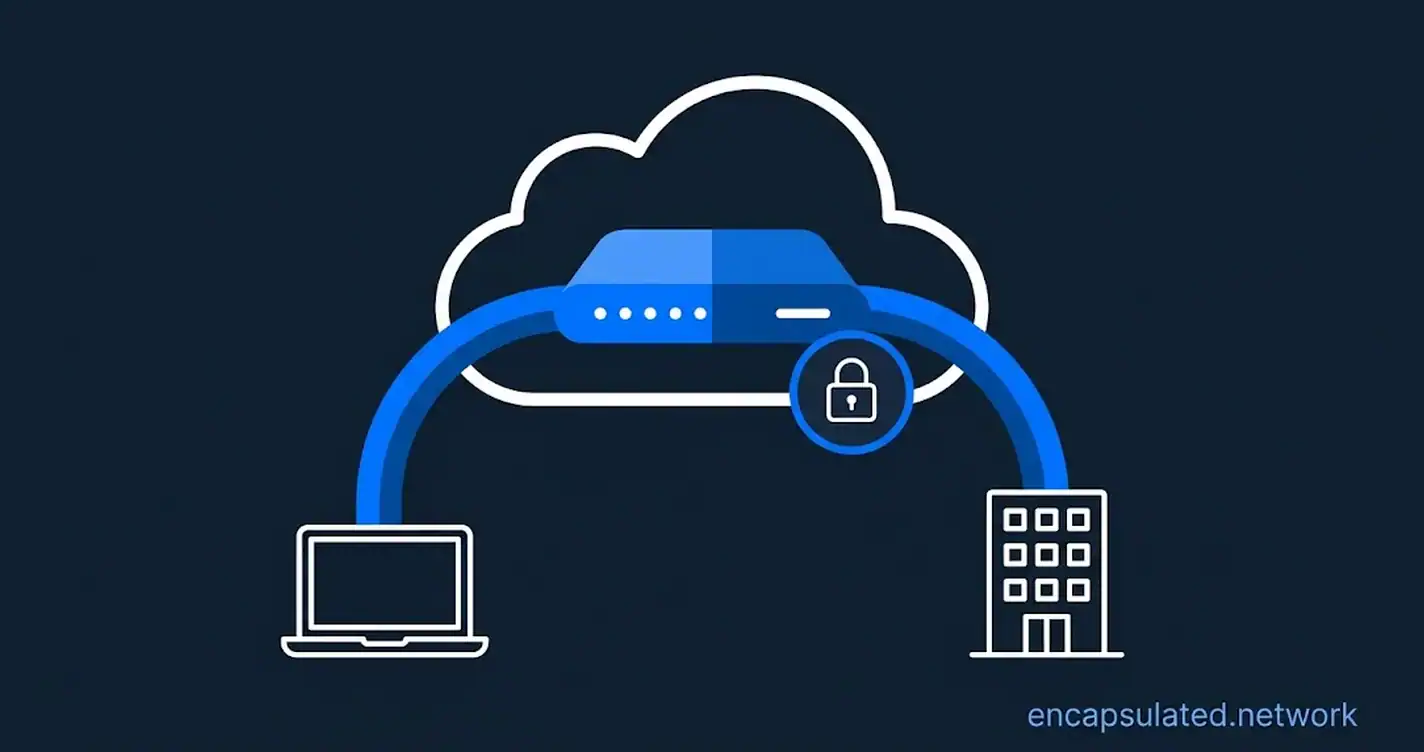
A VPN gateway inside a cloud outline, with a padlock badge, connected by two encrypted tunnels to a laptop and an office building below.

A cloud VPN is a VPN whose gateway runs in the cloud and is operated by a cloud provider or a VPN service vendor, not on hardware the organisation runs itself. Staff devices and office networks connect to that gateway through encrypted tunnels to reach the organisation’s applications and networks. “Cloud VPN” is not a … Read more

What Is an SSL VPN? How It Works and Is It Outdated?

A coral padlock whose body is drawn as a browser window, with a white keyhole in the centre, and a circular badge showing a network gateway icon, on a dark navy background.

An SSL VPN is a remote access VPN that encrypts the connection between a user’s device and an organisation’s VPN gateway with TLS, the successor to SSL, usually on TCP port 443. Users reach internal resources through a web portal in their browser or through an installed client that builds a network tunnel. Vendors kept … Read more

What Is a Mesh VPN? How It Works, Uses and Limits

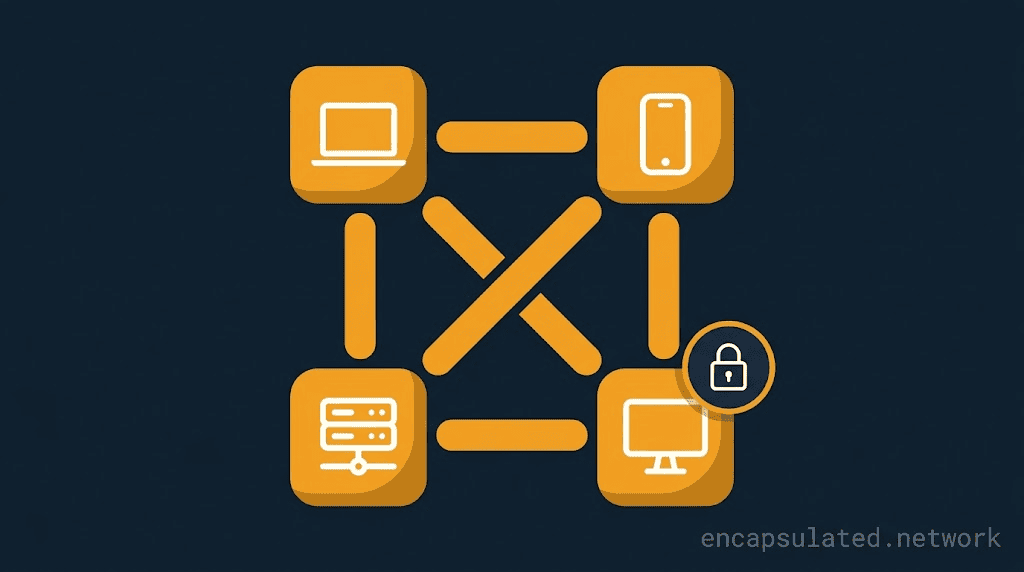
Four devices, a laptop, a smartphone, a server and a desktop computer, each linked directly to every other device in a full mesh, with a padlock badge showing the connections are encrypted.

A mesh VPN is a private network in which devices connect directly to each other through encrypted tunnels, instead of sending all traffic through one central VPN server. A coordination service authorises devices and helps them find each other. When a direct path is blocked, traffic can pass through a relay. A mesh VPN links … Read more

What Is a VPN Gateway? How It Works, Types and Risks

Teal padlock with four white arrows pointing inward to a central point, and a small network badge in the lower right corner.

A VPN gateway is the device or managed cloud service that terminates encrypted VPN tunnels for a private network. It authenticates each remote user, device or peer gateway, decrypts incoming traffic and passes it to the internal network, and encrypts the replies on the way back. It may be standalone or built into a firewall … Read more

What Is a Remote Access VPN? How the Tunnel Works

A remote access VPN is a VPN deployment in which individual endpoint devices connect to a corporate or organisational network through an encrypted tunnel terminating at a VPN gateway that the organisation runs or that a vendor runs on its behalf. The gateway authenticates each user or device, enforces access policy, and provides a path … Read more

PPTP Explained: The VPN Protocol That Was Retired

Cracked teal padlock with a warning badge illustrating PPTP's broken security — the protocol's authentication and encryption failures are structural and cannot be patched

PPTP (Point-to-Point Tunneling Protocol) is a VPN protocol developed in the mid-1990s by the PPTP Forum. PPTP was built natively into Windows from Windows NT 4.0 in 1996. From the late 1990s through the 2000s it was the dominant remote-access VPN standard in corporate deployments. Its authentication mechanism has been demonstrably crackable since 2012, its … Read more

What Is a Site-to-Site VPN? How It Works in 2026

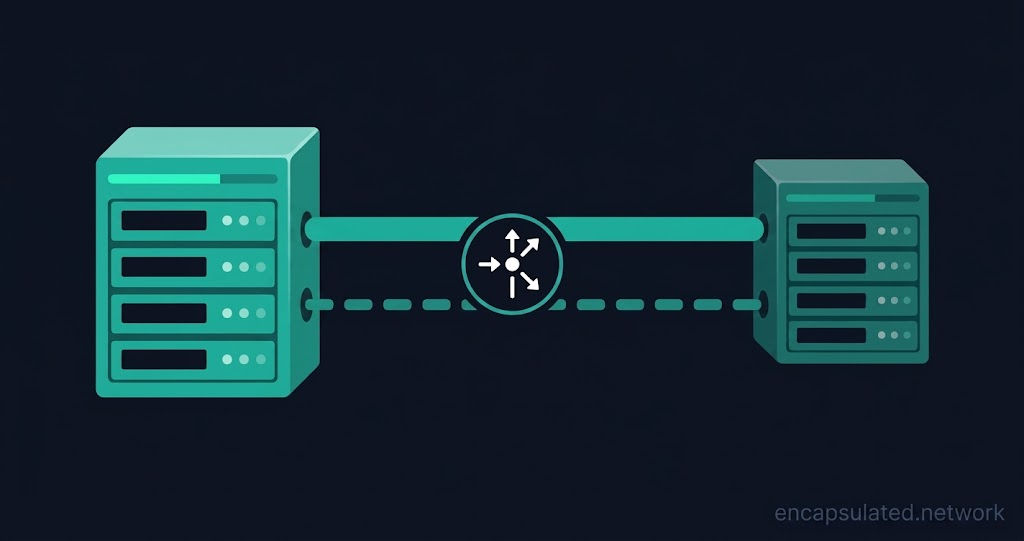
Two teal network gateway appliances connected by a solid teal tunnel line (active) and a parallel dashed line (standby), with a routing-arrow badge at the midpoint, representing a site-to-site VPN dual-tunnel architecture on a dark navy background.

A site-to-site VPN is an encrypted connection between two network gateways that permanently links two separate networks across the public internet, allowing devices at each location to communicate as if they share one private network. No VPN client software runs on the individual devices inside either network. The gateways handle all encryption, decryption, and routing; … Read more

Are Free VPNs Safe in 2026?

A teal VPN shield with a surveillance eye where the lock icon would normally appear, and a dollar sign badge at the lower right, representing free VPNs that monitor users instead of protecting them.

Most free VPNs are not safe to use. Free VPN apps have been documented logging and selling user data at scale, shipping broken or absent encryption, and, in one documented case, reselling users’ bandwidth as a commercial proxy network. A small number of free tiers from audited, subscription-funded providers are safe, but they are the … Read more

What Is a Double VPN? How Multi-Hop VPNs Work in 2026

Two interlocked amber chain links on a dark navy background representing a double VPN or VPN chain. A small circular badge at the lower right contains a white two-node routing path icon with an amber border.

A double VPN is a configuration that routes your internet traffic through two VPN servers in sequence, encrypting it twice, so that no single server in the chain has simultaneous access to both your real IP address and your destination. The first server receives your encrypted traffic, strips its own encryption layer, and forwards the … Read more